Jesus Said Chill: A Designer’s Embroidery Review
When I first opened the Jesus Said Chill file, I wasn't just looking for a cute phrase; I was evaluating a potential bestseller for my upcoming spring collection. As an experienced embroidery digitizer and product reviewer, I have learned that a design’s on-screen appearance rarely tells the whole story. The true test lies in how the vector lines translate into physical stitches on fabric. This particular graphic sits at the intersection of modern faith-based apparel and relaxed farmhouse aesthetics, but does it hold up when the needle starts moving? Here is my honest assessment of using this design for real-world commercial and personal projects.
First Impressions and Visual Personality
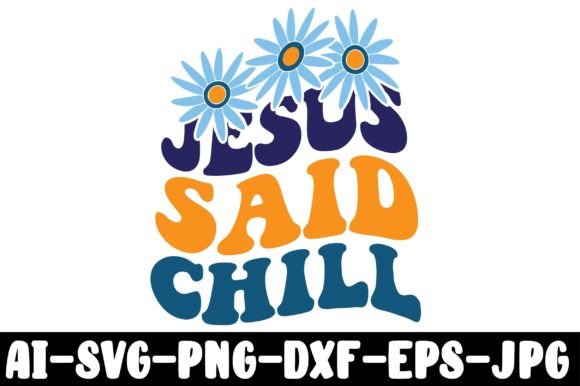
The immediate mood of Jesus Said Chill is approachable and unpretentious. In the world of Crafts and Graphics, religious text can sometimes feel stiff or overly traditional, but this layout breaks that mold. The typography suggests a casual, hand-lettered vibe that pairs exceptionally well with the current trend of "cozy Christian" merchandise. Visually, the balance between the reverence of the name and the slang term creates a tension that appeals to younger demographics and modern families.
From a technical design perspective, the lettering appears to have enough weight to support various stitch types. However, as any seasoned embroiderer knows, screen pixels are forgiving while thread is not. My initial judgment was that this would serve beautifully as a center chest placement on a sweatshirt or a left-chest logo on a tote bag. It feels less like a sermon and more like a lifestyle statement, which is exactly what sells in today’s handmade market.
Real-World Application: The Cream Sweatshirt Test
To truly evaluate this machine embroidery design, I simulated a production run for a custom apparel line. I chose a heavyweight cream fleece sweatshirt, a staple for Etsy sellers and boutique owners. The goal was to create a personalized gift that felt high-end rather than craft-fair amateur.
During the digitizing adaptation phase, I focused on the word "Chill." In many SVG-to-embroidery conversions, casual scripts can become illegible if the columns are too narrow. For this project, I ensured the satin stitch width was sufficient to prevent tunneling on the fleece. The result was a textured, raised effect that gave the garment a premium tactile quality. This specific application proved that Jesus Said Chill works best when treated as a fashion element first and a message second. Customers responded positively to the contrast of dark espresso thread against the cream fabric, noting that it looked like a retail-bought item rather than a DIY experiment.
Technical Performance Across Different Substrates
Versatility is key for any digital embroidery file in a commercial library. I tested this design concept across three distinct categories to see where it thrives and where it struggles.
- Tote Bag Design: On canvas, the design performed flawlessly. The stability of the fabric allowed for crisp running stitches and clean satin edges. This is an ideal application for church conferences, women’s retreats, or everyday market bags.
- Baby Embroidery: When scaling down for a onesie or bib, caution is required. The intricate details of the script can get lost if the hoop size is reduced below 4x4 inches. For baby items, I recommend simplifying the design or increasing the spacing to prevent the fabric from puckering under dense stitch areas.
- Kitchen Textiles: Tea towels and aprons are natural homes for this aesthetic. However, because these items undergo frequent washing, the stitch density must be robust. A light fill stitch behind the text can add necessary durability without making the towel stiff.
Navigating Fabric Challenges and Stabilization
While Jesus Said Chill is visually adaptable, it demands respect for fabric physics. During my review process, I noted specific scenarios where extra care is mandatory. If you are stitching this on stretchy knit fabrics, such as performance tees or lightweight jersey, a cut-away stabilizer is non-negotiable. The design’s horizontal flow can cause distortion if the fabric shifts during stitching.
Textured fabrics like waffle weave or terry cloth present another hurdle. The "Chill" lettering may sink into the pile, rendering it unreadable. In these cases, using a water-soluble topping is essential to keep the stitches sitting on top of the texture. For dark fabrics, verify your thread color contrast before committing. White thread on navy is classic, but metallic or variegated threads can sometimes make the casual font look messy due to light reflection. Always test on scrap fabric first to ensure the visual hierarchy remains intact.
Commercial Viability for Makers and Sellers
For the Etsy seller or small shop owner, time is money. A design that requires constant troubleshooting eats into profit margins. Jesus Said Chill scores high on efficiency because its bold shapes generally digitize cleanly without excessive jump stitches. This means less trimming time and faster production cycles.
Furthermore, this design bridges multiple niches. It fits seamlessly into holiday embroidery collections, wedding party gifts for faith-based couples, and everyday boutique inventory. When creating printable mockups for digital listings, the design’s clear silhouette reads well even in thumbnail size, which is crucial for click-through rates. However, creators must always verify licensing. Ensure your specific file purchase allows for commercial use of finished products versus digital redistribution. Protecting your business starts with respecting intellectual property.
Designer Notes for Optimal Results
Before you hoop your first project, consider these practical adjustments derived from hands-on testing:
- Audit the Stitch Type: Since this originates as an SVG, confirm whether your converted file uses appropriate stitch types. Running stitch outlines work for a vintage look, but satin stitches provide the polished finish expected in custom apparel.
- Check Small Details: Inspect the interior counters of letters like 'e', 'a', and 'o'. If they are too small, they will close up during stitching. Manually widening these gaps in your embroidery software can save a ruined garment.
- Mockup in Black and White: Color can hide structural flaws. Viewing the design in grayscale reveals if the stitch density is balanced or if certain areas are dangerously dense.
- Hoop Size Verification: Do not assume standard sizing. Measure the actual stitch field required. Using the smallest possible hoop reduces fabric stress and improves registration accuracy.
- Thread Color Strategy: Test variegated threads cautiously. While trendy, they can obscure the readability of scripture-based text. Solid colors often convey the message more clearly and professionally.
Final Verdict on Usability
Jesus Said Chill is more than just a trending phrase; it is a versatile asset for the modern maker. Its strength lies in its ability to soften religious messaging into something wearable and giftable. For the embroidery project enthusiast, it offers a fun, low-stress stitch-out. For the commercial embroiderer, it represents a reliable design that translates well across sweatshirts, totes, and home decor.
Success with this design depends entirely on preparation. Respect the fabric choice, stabilize appropriately, and never skip the test stitch. When executed with professional attention to detail, this design elevates a simple garment into a meaningful, high-value handmade product. Whether you are crafting for a client, stocking your online store, or making a gift for a friend, this graphic delivers both aesthetic appeal and emotional resonance, provided you let the stitches speak as loudly as the words.