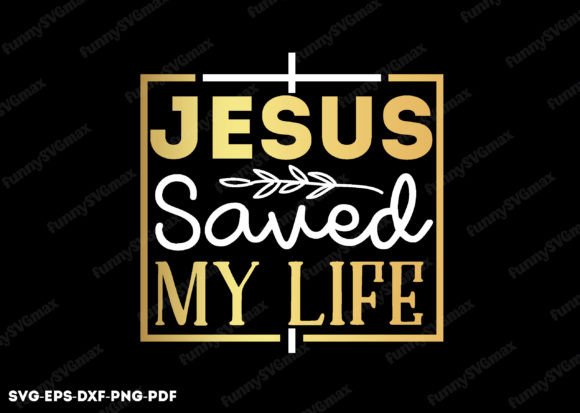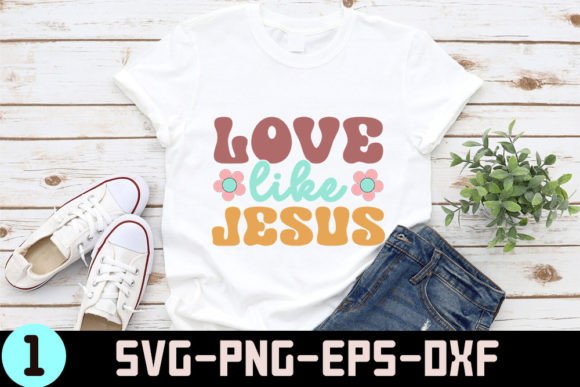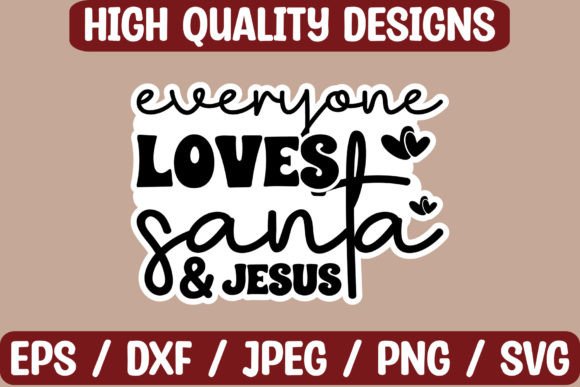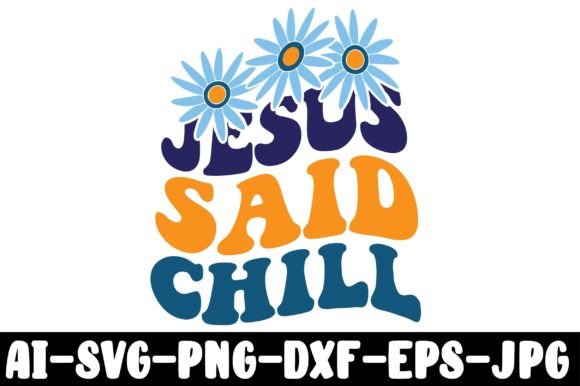
Jesus Loves Me Sticker Design: An Embroidery Review
As a professional embroidery digitizer and product reviewer, I approach every new graphic with a specific question: will this translate beautifully from screen to stitch? When evaluating the Jesus Loves Me Sticker Design, my assessment goes beyond simple aesthetics. While this item is marketed as a digital download for crafts and graphics, including SVG, PNG, DXF, and EPS formats, my focus is strictly on its viability as a foundation for a machine embroidery design. The "sticker" aesthetic implies bold lines, clean shapes, and high contrast, which are often excellent starting points for embroidery, but they also present unique challenges when converting vector art into thread paths.
First Impressions and Visual Personality
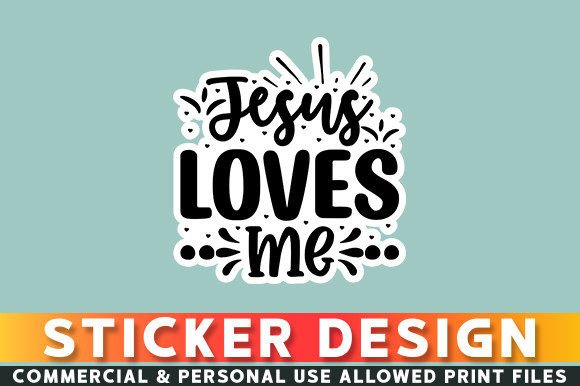
Upon opening the zipped files, the immediate impression of the Jesus Loves Me Sticker Design is one of cheerful clarity. The layout suggests a self-contained motif, likely featuring rounded edges or a border that mimics a die-cut sticker. For an embroidery project, this is advantageous. Designs with defined boundaries tend to register better in hoops because the outer edge acts as a natural placement guide. The mood is undeniably warm and faithful, making it instantly recognizable for religious goods, nursery decor, or faith-based apparel.
From a technical design perspective, the simplicity of a sticker-style graphic usually means fewer gradient transitions and more solid color blocks. This is ideal for satin stitch borders and fill stitch areas. However, because this is a digital graphic and not a pre-digitized embroidery file, the visual personality relies entirely on how you interpret the layers. The boldness required for a sticker look translates well to thread, but you must be mindful of maintaining that visual weight without creating excessive stitch density that could pucker lightweight fabrics.
Real-World Application: The Custom Sweatshirt Test
To truly evaluate this asset, I mentally placed the Jesus Loves Me Sticker Design onto a custom apparel project: a pastel cotton-blend sweatshirt intended for a small shop product or Etsy listing. Sweatshirts are a staple for handmade products, but the fleece backing and stretchy knit require careful planning. In this scenario, the design serves as a central chest placement or a smaller left-chest accent.
For this specific application, the sticker aesthetic works in your favor. Customers looking for personalized gifts or boutique branding often prefer designs that look intentional and polished rather than sketchy or overly complex. The clean lines of this graphic allow for crisp lettering and distinct iconography that remains legible even from a distance. When stitching this on fleece, I would utilize a cutaway stabilizer to manage the fabric texture and prevent the design from sinking into the nap. The goal is to create a finished product where the embroidery sits on top of the fabric, retaining the vibrant, pop-art feel of the original sticker concept while feeling soft and wearable.
Navigating Fabric Limitations and Hoop Sizes
While the Jesus Loves Me Sticker Design is versatile, it requires strategic placement depending on the substrate. Because sticker designs often rely on uniform line weights, they can struggle on highly textured fabrics like terry cloth or burlap unless you adjust the underlay. If you are planning baby embroidery items, such as onesies or bibs, the design’s inherent boldness is safe, but you must verify the physical dimensions against your hoop size. Baby garments have limited real estate; a design that looks perfect on a tote bag design might be too large for a 6-month-old bodysuit.
Conversely, if you are working with thin or stretchy fabrics, the density of a sticker-style conversion can become problematic. Solid fill areas meant to mimic vinyl or paper can act like armor on delicate knits. In these cases, I recommend modifying the digital embroidery file to use lighter fill patterns or converting some solid areas to running stitch textures. This maintains the visual integrity of the Jesus Loves Me Sticker Design while respecting the mechanical limitations of the fabric. Always test on scrap fabric first to ensure the stabilizer choice supports the stitch count without causing distortion.
Commercial Viability for Makers and Sellers
For creative entrepreneurs and Etsy sellers, the value of this asset lies in its adaptability. The inclusion of SVG and DXF formats makes it accessible for those who digitize their own machine embroidery designs or use software like Hatch, Embrilliance, or Brother PE-Design. However, a critical note for commercial embroidery users: always confirm licensing before selling finished items. Just because a file is available for download does not automatically grant commercial rights for mass production.
Assuming proper licensing, this design has strong potential for holiday embroidery and faith-based merchandise. It bridges the gap between traditional religious imagery and modern, trendy aesthetics. This duality increases buyer engagement because it appeals to both older demographics seeking classic messages and younger buyers wanting contemporary presentation. For craft business owners, using the PNG format to create printable mockups is an efficient way to test market interest before committing to digitizing and stitching samples. A high-quality digital preview can validate whether the Jesus Loves Me Sticker Design resonates with your specific audience before you invest time in production.
Technical Considerations for Digitizing Success
Since this product provides graphics rather than ready-to-stitch files, your success depends on accurate digitizing. Here are practical notes for converting the Jesus Loves Me Sticker Design into a professional embroidery project:
- Verify Dimensions: Before importing into your embroidery software, check the actual size of the vector file. Sticker graphics can sometimes be scaled arbitrarily. Resize to your desired finished dimension before generating stitches to avoid distorting stitch density.
- Thread Color Contrast: Sticker designs rely on high contrast. When selecting thread colors, ensure there is sufficient differentiation between adjacent elements. What looks distinct on a backlit monitor may blend together in matte rayon or polyester thread.
- Simplify Small Details: If the sticker design includes tiny text or intricate accents, evaluate whether they will stitch out clearly. Elements smaller than 4mm in height often require simplification or removal to prevent needle breaks and thread nests.
- Stitch Direction Matters: To replicate the smooth look of a sticker, pay attention to stitch angle. Consistent stitch direction in fill areas creates a uniform sheen that mimics the printed surface of the original graphic.
- Test in Black and White: View your digitized version in grayscale or black and white mockups. This strips away color bias and reveals whether the design relies too heavily on hue rather than value and structure.
Elevating the Handmade Presentation
Ultimately, the Jesus Loves Me Sticker Design offers a fantastic foundation for makers who want to blend digital convenience with tactile craftsmanship. Whether you are creating an embroidered patch for caps, a tea towel for a kitchen gift set, or a custom tote bag for a church event, the key is treating the source file as a blueprint rather than a final product. By applying professional embroidery principles—proper stabilization, density management, and fabric-appropriate scaling—you transform a simple digital graphic into a high-value handmade product.
Remember that customer trust is built on execution. A cleanly stitched design that respects the garment's drape communicates professionalism far better than a dense, puckered motif that merely copies a picture. Use this design as an opportunity to showcase your technical skill alongside your creative vision. With careful preparation and respect for the medium, this asset can become a reliable performer in your catalog of design assets, bringing joy and quality to every finished product you create.